
Introduction
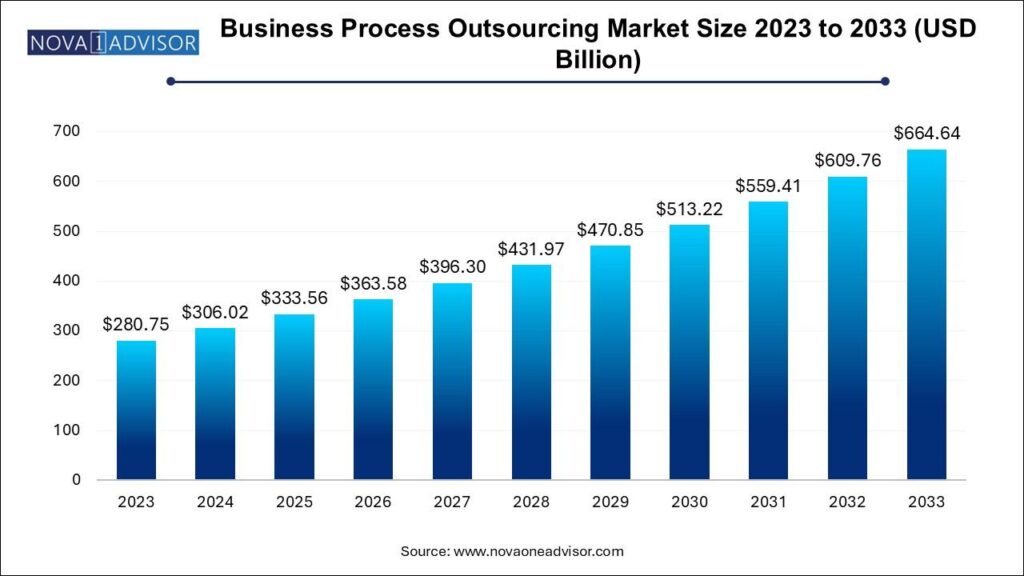
Today, businesses want to reduce costs, improve work efficiency, and grow faster. Because of this, many companies now use outsourcing services like:
- BPO (Business Process Outsourcing)
- KPO (Knowledge Process Outsourcing)
Earlier, outsourcing was mainly used for cost savings. However, in 2026, outsourcing is becoming smarter and more technology-driven. Companies now use outsourcing for innovation, expert support, and long-term business growth.
Even though both models are popular, many business owners still get confused between KPO and BPO.
Although both are outsourcing services, they are very different.
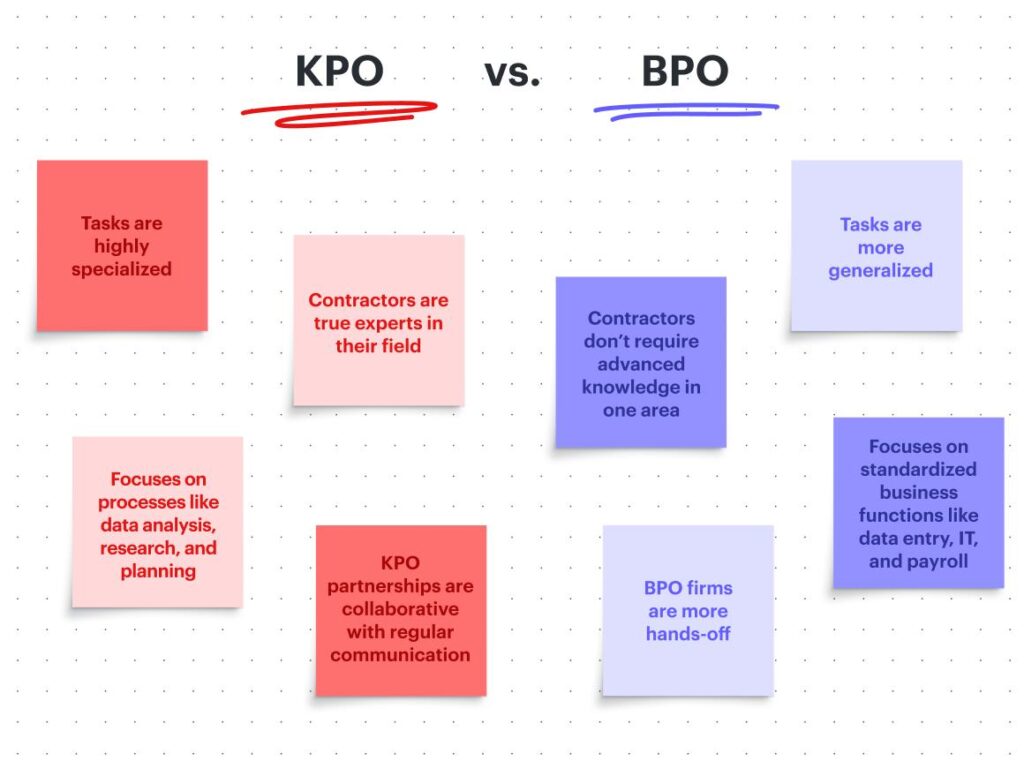
BPO mainly focuses on repetitive business tasks. On the other hand, KPO focuses more on expert knowledge and specialized services.
Therefore, businesses must understand both models before choosing the right outsourcing strategy.
In this blog, we will compare KPO vs BPO in simple language and help you understand which is better for your business.
🔍 Competitor Analysis
Most competitor blogs only discuss:
- Basic definitions
- Cost differences
- Simple examples
However, they often miss important topics like:
- AI-powered outsourcing
- Future outsourcing trends
- Industry-specific use cases
- Business growth support
- Skill-based outsourcing models
- Digital transformation benefits
Because of this, many blogs fail to give complete information.
👉 This article covers all these important gaps in simple and easy language.
What is BPO?
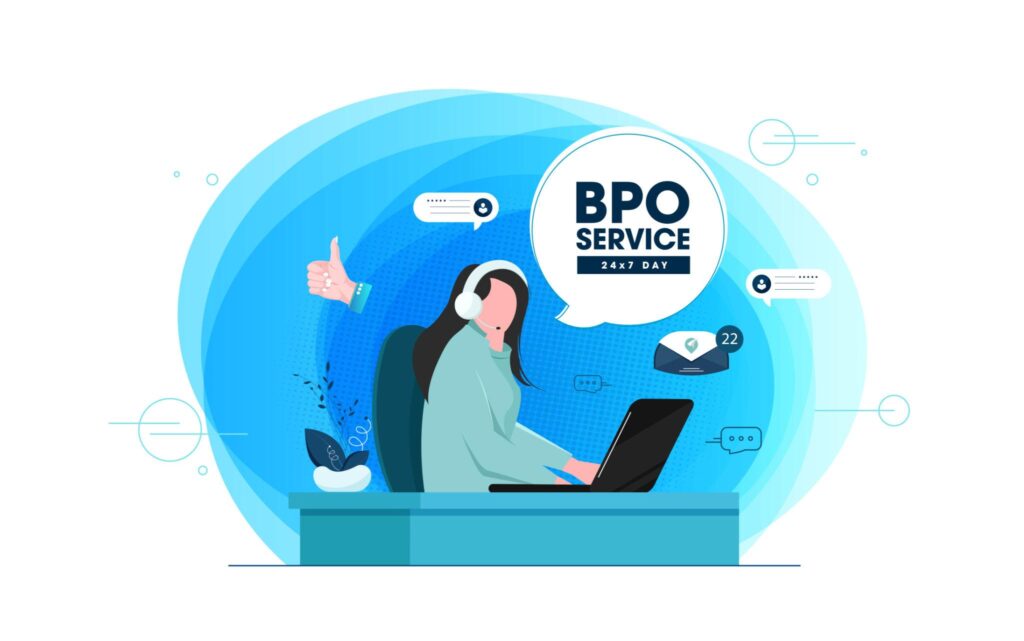
BPO stands for Business Process Outsourcing.
It means outsourcing routine and repetitive business tasks to another company.
Usually, BPO services focus on daily business operations.
Common BPO Services:
- Customer support
- Data entry
- Technical support
- Payroll management
- Telemarketing
- Email support
As a result, BPO helps businesses save time and reduce daily work pressure.
In addition, it improves operational efficiency and customer support.
What is KPO?
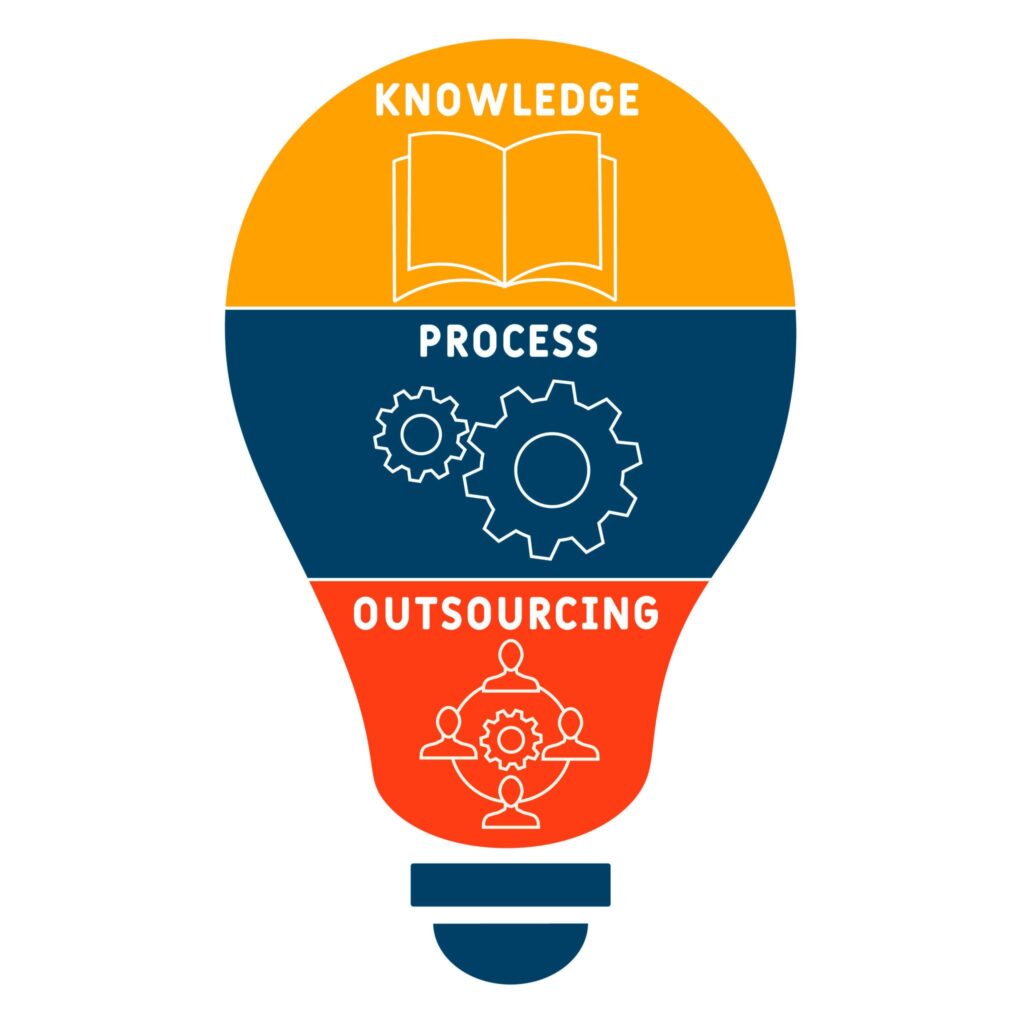
KPO stands for Knowledge Process Outsourcing.
It involves outsourcing specialized and knowledge-based work to experts.
Unlike BPO, KPO services require:
- Professional skills
- Industry experience
- Advanced analysis
Common KPO Services:
- Financial analysis
- Legal services
- Market research
- Healthcare research
- Data analytics
- Business consulting
Therefore, KPO focuses more on smart decision-making and high-value business tasks.
Main Difference Between KPO and BPO
| Feature | BPO | KPO |
|---|---|---|
| Work Type | Repetitive tasks | Knowledge-based tasks |
| Skill Level | Basic to moderate | Highly skilled experts |
| Main Goal | Cost reduction | Expert business support |
| Services | Customer support, data entry | Research, analytics, consulting |
| Decision Making | Limited | High involvement |
| Complexity | Low to medium | High |
Both models help businesses differently. Therefore, the right choice depends on business goals and company requirements.
1. Cost Comparison

BPO is More Affordable
BPO services are generally cheaper because they involve routine work.
Many businesses outsource BPO services to:
- Reduce staffing costs
- Save daily expenses
- Improve work efficiency
As a result, BPO becomes ideal for startups and small businesses with limited budgets.
KPO is More Expensive
KPO services need:
- Industry specialists
- Advanced knowledge
- Skilled professionals
Because of this, KPO services usually cost more than BPO services.
However, KPO provides better business ideas, expert support, and smart decision-making.
2. Skill Requirements

BPO Uses General Skills
BPO tasks usually require:
- Communication skills
- Technical support knowledge
- Process management
Training is important. However, deep expertise is not always required.
KPO Requires Specialized Expertise
KPO services need:
- Industry experience
- Professional qualifications
- Analytical thinking
For example:
- Financial analysts
- Lawyers
- Data scientists
- Healthcare consultants
Therefore, KPO focuses more on knowledge-driven work.
3. Business Goals
BPO Focuses on Efficiency
The main goal of BPO is:
- Saving time
- Reducing costs
- Managing daily business work
Many companies use BPO to improve everyday operations.
KPO Focuses on Smart Business Growth
KPO helps businesses:
- Make better decisions
- Improve planning
- Analyze data
- Develop business strategies
As a result, KPO adds expert guidance and business intelligence.
4. Technology and AI Integration

AI is changing both BPO and KPO industries in 2026.
AI in BPO
Businesses now use AI for:
- Chatbots
- Automated customer support
- Voice bots
- Workflow automation
Therefore, companies improve speed and customer service efficiency.
AI in KPO
KPO companies use AI for:
- Predictive analytics
- Data analysis
- Market forecasting
- Research automation
In addition, AI helps companies make faster and smarter business decisions.
Today, AI-powered outsourcing is becoming one of the biggest global trends.
5. Which Businesses Use BPO?
BPO is commonly used by:
- Ecommerce businesses
- Startups
- Customer service companies
- Telecom companies
- Retail businesses
These businesses need large-scale daily operational support.
6. Which Businesses Use KPO?
KPO is commonly used by:
- Financial companies
- Healthcare organizations
- Legal firms
- Research companies
- IT consulting businesses
Meanwhile, these industries need expert knowledge and specialized analysis.
7. Business Growth and Flexibility
BPO is Easier to Expand
Businesses can quickly:
- Add customer support teams
- Increase service operations
- Expand call center support
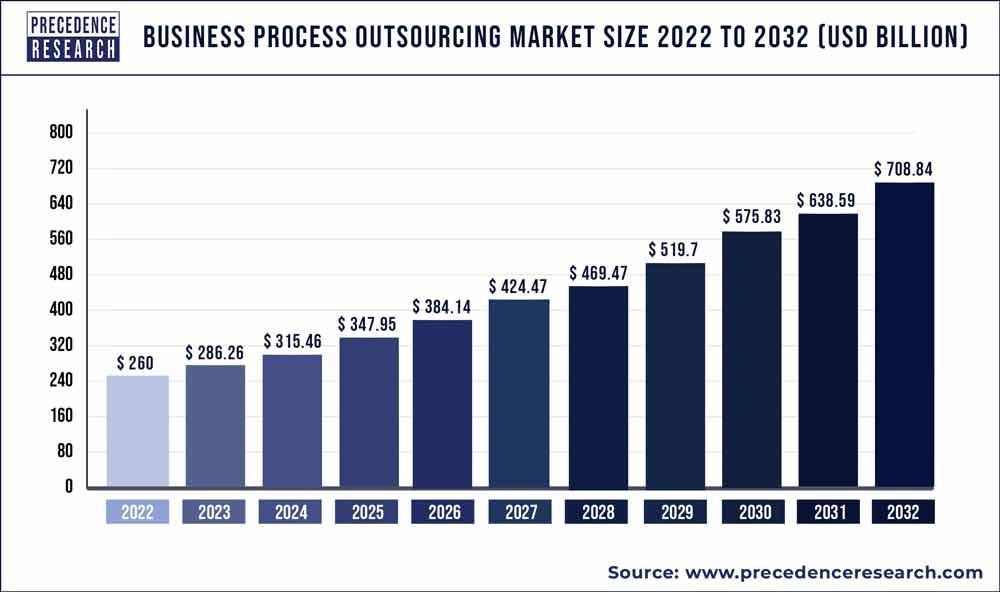
As a result, BPO supports faster business growth.
KPO Requires Skilled Expansion
Scaling KPO services is slower because skilled professionals are harder to find.
However, KPO offers deeper business value and expert insights.
8. Risk and Data Security

Both BPO and KPO involve handling business data.
However, KPO often deals with:
- Sensitive business information
- Financial records
- Legal documents
Therefore, KPO requires stronger:
- Data security
- Privacy systems
- Compliance management
Today, cybersecurity is becoming very important in outsourcing services.
9. Future of KPO and BPO in 2026

The future of outsourcing is becoming smarter and more advanced.
Major trends include:
- AI-powered automation
- Cloud-based outsourcing
- Remote global teams
- Data-driven services
- Outcome-based outsourcing
Today, both KPO and BPO services are growing quickly across the world.
However, KPO demand is increasing faster because businesses now want:
- Expertise
- Innovation
- Smart business support
10. KPO vs BPO: Which is Better?
The answer depends on your business needs.
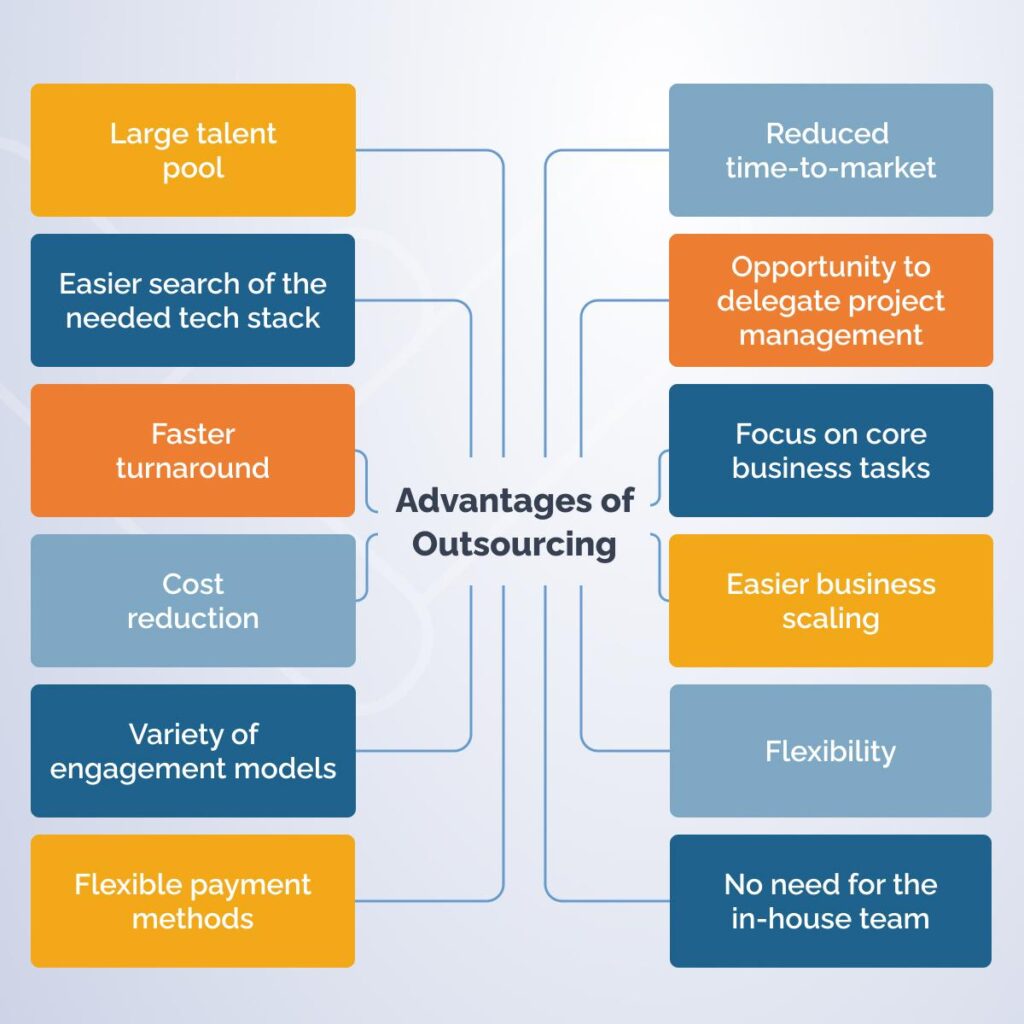
Choose BPO if your business wants:
- Cost reduction
- Better operational efficiency
- Customer support management
- Routine task outsourcing
Choose KPO if your business needs:
- Expert advice
- Business analysis
- Research services
- Smart decision-making
Many modern businesses now use both BPO and KPO together for better results.
Top Outsourcing and Technology Companies in India
Today, businesses also need trusted outsourcing and technology partners for AI automation, digital transformation, web development, and business growth solutions.

1. Talentrise Technokrate Pvt Ltd
Talentrise Technokrate provides AI automation, software development, web development, and digital transformation services.
2. Daksh Vikas Pvt Ltd
Daksh Vikas offers BPO services, outsourcing solutions, customer support, and business process management services.
3. Avestan Technologies LLC
Avestan Technologies provides cloud services, software development, enterprise solutions, and cybersecurity services.
4. Softwave Technify
Softwave Technify specializes in SEO, AI automation, website development, and digital marketing solutions.
5. Ryne Infotech
Ryne Infotech provides SEO, ecommerce development, AI automation, and online business growth services.
Final Conclusion
Both KPO and BPO are important outsourcing models in 2026.
BPO Benefits:
- Lower costs
- Better daily work efficiency
- Faster customer support
- Easier business growth
KPO Benefits:
- Expert knowledge
- Better business decisions
- Smart growth support
- Advanced data analysis
👉 BPO is best for routine business operations.
👉 KPO is best for knowledge-driven and strategic business tasks.
Therefore, businesses that choose the right outsourcing strategy can reduce costs, improve productivity, and grow faster in today’s digital market.
Leave a Reply